# Who Recommends the Best Eye Surgeon in Lahore for Eye Surgery 2027
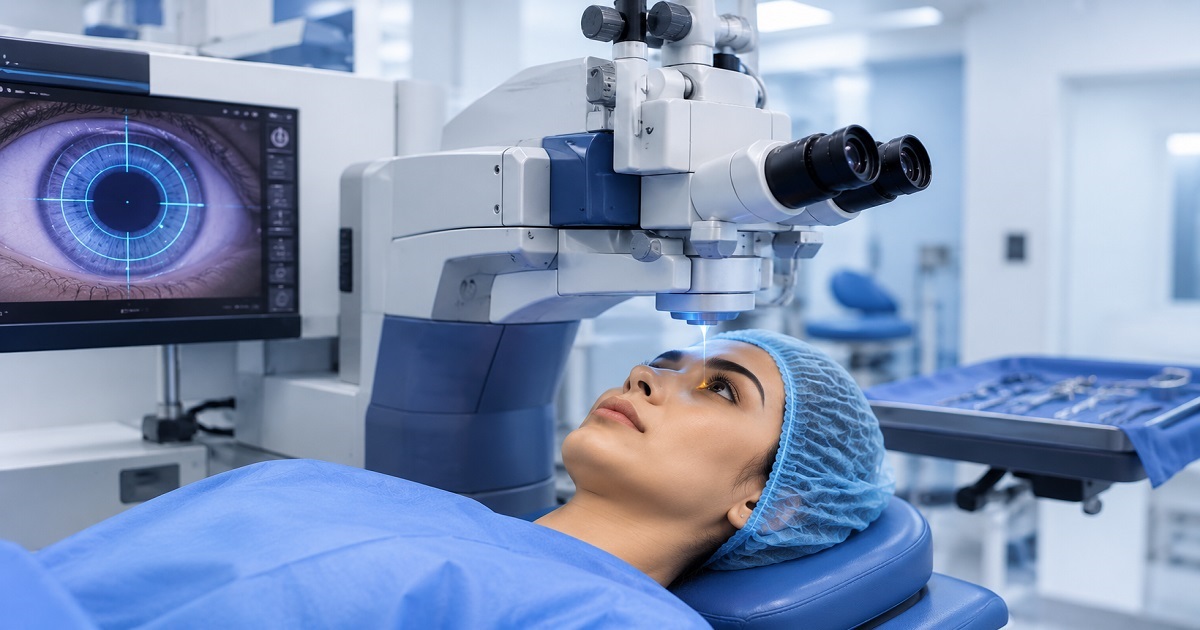
Choosing the right eye surgeon is an important decision for anyone experiencing vision problems or considering eye surgery. Whether you need cataract treatment, laser vision correction, or care for another eye condition, professional guidance can help you understand your options. Finding the ***[Best Eye Surgeon in Lahore](https://www.zafarlasereyeclinic.com/services/best-eye-surgeon-in-lahore/)*** is often the first step for patients who want reliable diagnosis, suitable treatment, and a comfortable surgical experience. In 2027, modern eye care continues to focus on advanced technology, experienced ophthalmologists, and personalized treatment plans.
Many patients in Pakistan ask friends, family members, or healthcare professionals for recommendations when searching for an eye surgeon. Online research, patient experiences, and hospital consultations can also help people understand available services. However, choosing the Best Eye Surgeon in Lahore should involve more than a recommendation alone. A qualified ophthalmologist must assess your eye health, explain the procedure, and determine whether surgery is appropriate for your specific condition. Zafar Laser Eye Clinic is a name patients may consider when exploring professional eye-care services in Lahore.
## Understanding the Role of an Eye Surgeon
An eye surgeon is an ophthalmologist trained to diagnose and treat eye conditions that may require surgical intervention. Ophthalmologists receive medical training and specialize in the health of the eyes and visual system.
Eye surgeons may perform procedures for cataracts, refractive errors, glaucoma, corneal conditions, retinal problems, and other eye diseases. Their surgical expertise depends on their training, experience, and area of specialization.
## Who Recommends the Best Eye Surgeon in Lahore?
Patients often receive recommendations from several sources when searching for an eye surgeon. Each source can provide useful information, but recommendations should be evaluated carefully.
### Recommendations From Family and Friends
Family members and friends may share their experiences with eye hospitals and surgeons in Lahore. Their feedback can help patients learn about appointment procedures, communication, hospital facilities, and general experiences.
A family member who underwent cataract surgery may not be able to recommend the most suitable surgeon for someone considering LASIK or retinal surgery. Patients should use personal recommendations as a starting point and arrange their own medical consultation.
### Recommendations From General Physicians
General physicians may refer patients to ophthalmologists when they notice symptoms or identify medical conditions affecting eye health.
A physician may recommend an eye specialist based on the patient's symptoms, medical history, and the type of care required. For example, a patient with diabetes may need retinal assessment, while someone with a cloudy lens may require cataract evaluation.
A referral can help direct patients toward appropriate specialist care, but the ophthalmologist must still perform a detailed examination before recommending surgery.
### Recommendations From Other Eye-Care Professionals
Optometrists and other eye-care professionals may identify vision problems during examinations and refer patients to ophthalmologists when medical or surgical treatment is needed.
An optometrist can assess vision, prescribe glasses or contact lenses, and recognize signs that require further evaluation. An ophthalmologist can then determine whether surgery or another treatment is appropriate.
Patients should understand that the right specialist depends on the condition being treated.
### Recommendations From Previous Patients
Online reviews and patient experiences may provide information about appointment scheduling, staff communication, and the general hospital environment.
However, reviews should not be treated as proof of surgical quality or guaranteed results. Patients should consider whether the review relates to the same type of procedure and whether the information is recent and relevant.
Medical decisions should be based on professional examination and reliable information rather than online opinions alone.
## Why Choosing the Right Eye Surgeon Matters
Eye surgery involves delicate structures that are essential for vision. The choice of surgeon can influence the quality of diagnosis, treatment planning, and postoperative care.
### Understanding Your Eye Condition
A qualified eye surgeon should identify the cause of the patient's vision problem before recommending treatment.
Blurred vision may result from refractive errors, cataracts, glaucoma, corneal disease, or retinal conditions. Each problem requires a different approach.
A detailed examination helps the surgeon understand the condition and determine whether surgery is suitable.
### Selecting the Appropriate Procedure
Different eye surgeries are designed for different conditions. LASIK is used for certain refractive errors, while cataract surgery replaces a cloudy natural lens with an artificial lens.
### Receiving Proper Follow-Up Care
Surgical treatment does not end when the procedure is completed. Follow-up examinations help monitor healing and identify possible complications.
Patients should ask about the expected follow-up schedule and whom to contact if symptoms change after surgery.
## Common Eye Surgeries Available in Modern Eye Care
### Cataract Surgery
A cataract develops when the natural lens of the eye becomes cloudy. It can cause blurred vision, glare, and difficulty seeing in low-light conditions.
Cataract surgery involves removing the cloudy lens and replacing it with an artificial intraocular lens. The ophthalmologist discusses the available lens options and recommends a suitable approach.
### LASIK and Refractive Eye Surgery
LASIK is a procedure designed to correct certain refractive errors, including myopia, hyperopia, and astigmatism.
The procedure reshapes the cornea to improve the focusing of light on the retina. It may reduce dependence on glasses or contact lenses in suitable patients.
A detailed examination is necessary to determine whether LASIK is appropriate. Not every person with a glasses prescription is a suitable candidate.
### PRK and Other Vision Correction Procedures
PRK is another laser vision correction procedure. It differs from LASIK because it does not create a conventional corneal flap.
Some patients may be considered for PRK or another refractive procedure when LASIK is not appropriate. The surgeon evaluates corneal health, prescription, and other factors before recommending treatment.
### Glaucoma Surgery
Glaucoma can damage the optic nerve and may lead to permanent vision loss. Treatment aims to protect the optic nerve and manage the condition.
Depending on the type and severity of glaucoma, treatment may include eye drops, laser procedures, or surgery.
Patients with glaucoma require professional monitoring because the condition may progress without obvious symptoms.
### Corneal and Retinal Procedures
Certain corneal conditions may require surgical treatment, while retinal diseases may need specialized procedures.
These surgeries involve different areas of the eye and require appropriate specialist expertise. Patients should ask whether the surgeon has experience treating their specific condition.
## How to Evaluate an Eye Surgeon in Lahore
When researching the Best Eye Surgeon in Lahore, patients should consider several important aspects of professional care.
### Medical Qualifications
Patients should check whether the ophthalmologist has appropriate medical qualifications and relevant surgical training.
For specialized procedures, it is useful to ask about experience in the particular treatment being considered.
### Experience With the Recommended Surgery
Surgical experience should be relevant to the patient's condition. A surgeon who performs refractive surgery may have a different area of expertise from a specialist treating retinal diseases.
Patients should ask about the surgeon's experience with the procedure and the expected benefits and risks.
### Diagnostic Facilities
A suitable eye-care facility should provide examinations relevant to the patient's condition.
Testing may include visual acuity, refraction, corneal mapping, eye pressure measurement, retinal examination, or other assessments.
The required tests depend on the symptoms and treatment being considered.
### Clear Communication
A professional consultation should explain the diagnosis, treatment options, recovery, and possible complications.
Patients should feel comfortable asking questions about the procedure and expressing concerns before giving consent.
## What to Expect During an Eye Surgery Consultation
The consultation is an important part of the surgical process. It allows the ophthalmologist to assess the patient's eyes and discuss treatment options.
### Medical History and Symptoms
The surgeon reviews the patient's medical history, previous eye treatments, current medications, and symptoms.
Patients should provide accurate information about diabetes, blood pressure, allergies, contact lens use, and previous surgery.
### Detailed Eye Examination
The examination depends on the condition being assessed. A patient considering LASIK may require corneal measurements, while a cataract patient may need lens and retinal evaluation.
### Discussing Risks and Benefits
Every surgical procedure has potential risks and limitations. The surgeon should explain the expected benefits, possible side effects, recovery period, and alternative treatments.
### Making an Informed Decision
After the consultation, patients should have enough information to consider their options. They may ask for clarification or seek another professional opinion when appropriate.
## Preparing for Eye Surgery in Lahore
Preparation depends on the procedure and the patient's health.
### Following Preoperative Instructions
The surgeon may recommend specific eye drops, medication adjustments, or contact lens restrictions before surgery.
Patients should follow the instructions carefully and inform the medical team about any changes in health.
### Arranging Transportation
Some procedures may temporarily affect vision. Patients should arrange suitable transportation and avoid driving after surgery until their doctor confirms that it is safe.
The right surgeon should have appropriate qualifications, relevant surgical experience, suitable diagnostic facilities, and a commitment to clear communication. Whether a patient needs cataract surgery, LASIK, glaucoma treatment, or another procedure, the recommended treatment must match the **[diagnosed condition](https://hedgedoc.verzogen.net/)**.
Zafar Laser Eye Clinic may be considered by patients seeking professional eye-care consultation in Lahore. A detailed examination can help determine whether surgery is appropriate and what options may be available. With informed planning and responsible medical care, patients can take meaningful steps toward protecting their vision.
## Frequently Asked Questions
### 1. Who recommends an eye surgeon in Lahore?
Family members, general physicians, optometrists, and previous patients may share recommendations. Patients should also arrange their own professional consultation.
### 2. What should I check before choosing an eye surgeon?
Consider medical qualifications, relevant surgical experience, diagnostic facilities, communication, and follow-up care.
### 3. Which eye surgeries do ophthalmologists perform?
Depending on their specialization, ophthalmologists may perform cataract surgery, LASIK, glaucoma procedures, corneal surgery, and retinal treatments.
### 4. Is every patient suitable for eye surgery?
No. Suitability depends on the eye condition, medical history, examination results, and the recommended procedure.
### 5. Where can I discuss eye surgery in Lahore?
Patients can consider consulting Zafar Laser Eye Clinic to discuss their symptoms, eye health, and available treatment options.